 By owais
Introduction — why this matters now?
Have you ever wondered why a clean-looking weld shop can still smell like metal and smoke? In many plants, I see that cosmetic cleanliness hides bigger problems: poor capture at source, unpredictable airflow, and rising health claims from workers. Automotive manufacturing welding fume extraction must be part of the conversation early in the line, not an afterthought tucked beside the conveyor.
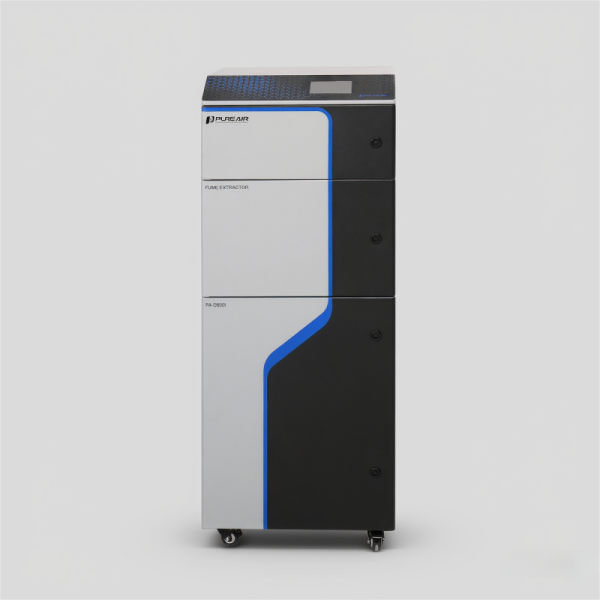
Here’s a quick scene: a mid-sized assembly bay with five MIG stations, each putting out a steady plume. Data from a routine check showed particulate spikes above safe limits during peak shifts — numbers that made me pause. So what do we do when production speed outpaces our capture systems? (We ask the hard questions, and sometimes we change the routine.)
I’ll share what I’ve learned in the shop floor, and yes, I speak from hands-on checks and follow-up tests. Next, I’ll pull apart the familiar fixes and show where they really fail — then we move toward better choices.
Where traditional fixes fall short: the real flaws in welding fumes dust collectors
welding fumes dust collectors are often sold as plug-and-play safety — but I will tell you plainly: many installations miss the point. Systems sit too far from the arc, duct runs are oversized or undersized, and maintenance gets postponed. The result? Poor capture, high recirculation, and faster filter loading. Look, it’s simpler than you think — proximity and consistent airflow win more than sheer fan power.
Why does this keep happening?
First, vendors focus on filter specs (HEPA filters, baghouse filters) without matching the local exhaust ventilation layout. Second, welders move — a fixed hood won’t catch a moving plume. Third, monitoring is weak: airflow rates are assumed, not measured. I’ve seen systems with good filter media but wrong static pressure and terrible capture efficiency.
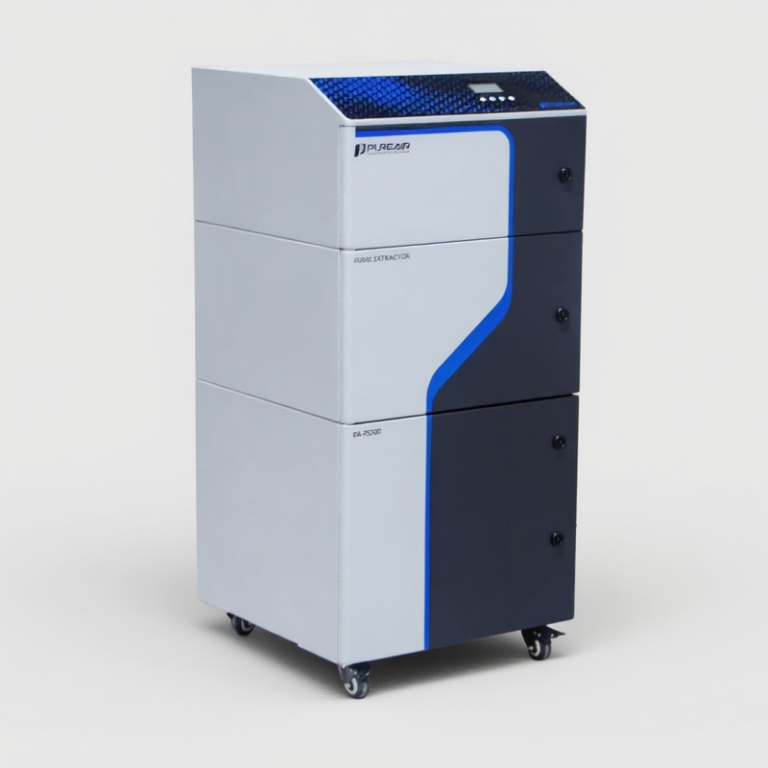
From my perspective, the industry terms matter because they guide decisions: fume extraction arms need correct reach and balance; capture velocity must meet the process; maintenance intervals should be set by measured differential pressure, not calendar days. These are straightforward fixes — yet they are overlooked. — funny how that works, right?
What’s next: smarter choices and clear metrics for future-proofing
Moving forward, I favour pragmatic tech that addresses real pain points. New principles — not just bigger motors — will shape better extraction. For example, adaptive controls that tune fans based on actual capture performance, and small sensors (edge computing nodes) that track particulate trends at each station. These ideas sound modern, but they are about making the basics measurable and repeatable.
Real-world steps?
Choose systems that integrate sensing, simple feedback, and modular capture — so you can relocate a fume extraction arm or re-balance ducts without a full overhaul. I recommend thinking about power converters and control panels that can scale, and about real-time alerts that force corrective action before filters choke up.
Here are three metrics I use when evaluating solutions: capture efficiency at the weld (measured), total cost of ownership over five years (including filters and labor), and downtime impact (how quickly you can return a station to service). Those numbers tell a better story than marketing claims. If you measure, you manage — and isn’t that what we want on the floor?
In short, stop relying on promises and start demanding proof: test capture with real welds, log airflow rates, inspect filters by pressure drop. We can do better than band-aids. For practical options and tested equipment, I look to suppliers who back measurements with support — like PURE-AIR.
 Admin