 By owais
First impressions — why structural compliance actually matters
When you shop for a wave pool for sale, must consider more than fancy pylons and big waves, lah. Structural load, wind load and corrosion protection aren’t optional; they shape lifetime cost and rider safety. For practical vendor comparison, start by checking who the water park manufacturers are and what engineering back-up they show — here’s a straightforward link to see typical offerings: water park manufacturers. EEAT stance here: practical engineering plus vendor experience matters — bring both design specs and operations feedback into the shortlist. Real-world anchor: Surf Snowdonia (opened 2015) showed how predictable wave generator performance pairs with disciplined structural checks to keep operations steady over years.
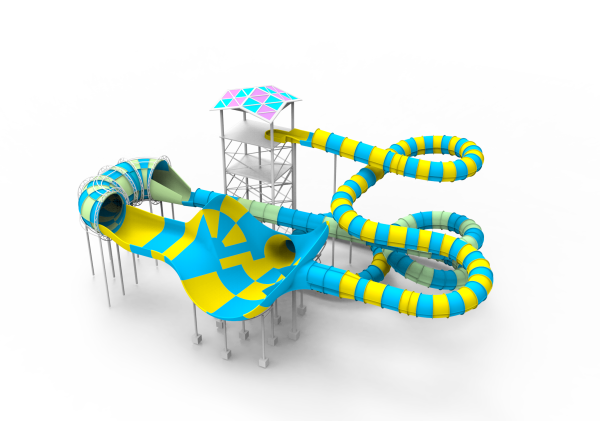
Comparative tech rundown: wave generator, hydraulic system, and frames
Not all wave systems are equal. Some suppliers use pneumatic or mechanical wave generator setups, others rely on hydraulic system arrays. Compare on three concrete axes: peak wave energy, maintenance cadence, and spare-parts ecosystem. Structural frames differ, too — aluminium vs stainless-steel trusses affect corrosion protection needs and fatigue analysis schedules. For a venue planning regular public use, choose a system with documented deck load limits and a clear spare-part roadmap. If your project also wants a surf element, a separate flow rider machine or standing-wave solution can sit beside the main pool — factor its footprint early.
How standards and tests actually get enforced — practical checklist
Standards get real when a certified engineer runs the numbers. Ask for the exact testing scope: dynamic wind load assessment per clause for local code (provide the wind pressure profile, gust factor, and exposure category used), cyclic fatigue analysis with loadcase permutations, and a 5‑year accelerated corrosion test specifying salt-spray hours and post-test tensile checks. Also confirm the structural load combinations used in design checks — live load, hydrostatic load, and lateral wave forces must be listed explicitly. Suppliers who hand you vague standard names without sub-chapter testing parameters are not ready for serious projects.
Common procurement mistakes and mitigation — learn from comparisons
Buyers often pick the flashiest demo and then regret missing hidden costs. Typical pitfalls: understating wind load at the project site, accepting vague maintenance intervals, or ignoring local anchoring details for storm events. Mitigation steps that work: require a site-specific wind-load study, obtain a service-level schedule (tight: monthly checks for hydraulic seals, annual fatigue inspections), and mandate a corrosion protection plan tied to material grades. Small note — include local contractor familiarity in the evaluation; a perfect design still fails if install goes wrong.
Budget vs reliability — scoping rules that keep delivery predictable
Price pressure pushes buyers into lighter structural options, but that choice changes inspection frequency and total lifecycle cost. When you compare quotes, normalise them by: expected annual downtime, spare-parts lead time, and projected maintenance man‑hours per year. A slightly higher initial bid that includes certified weld records and a dedicated maintenance spare kit usually wins on uptime. Keep your focus narrow: measurable reliability beats promises.
Advisory — three golden rules for choosing the right approach
1) Require explicit, itemised testing parameters: wind pressure profile, gust factors, exposure category, and exact fatigue test cycles. 2) Insist the vendor provides a five-year maintenance and spare-parts plan with guaranteed lead times. 3) Score proposals by operational metrics — uptime guarantees, mean time to repair, and documented corrosion protection system. Stick to these three and procurement becomes much cleaner.
Final thought: vendors who pair clear engineering data with operational support reduce risk and make waves that last — Dalang. —
 Admin