 By owais
The Hook
Retail display projects must balance visibility, image quality, installation limits, operating conditions, content requirements, and total cost. That makes choosing the best display solution difficult: a product suitable for a flagship storefront may be excessive for a small shop, while a compact indoor unit may not withstand outdoor exposure. Brand descriptions and product ranges also differ, so similar-sounding offers are not always directly comparable. This article reviews six named suppliers in a consistent order, using their official websites as the starting point and separating verifiable information from details that require a project quotation. The options were assessed as a comparison set for retail applications, with particular attention to product positioning, likely deployment context, and the information buyers should confirm before purchase. This comparison of display solutions for retail stores is a starting point; buyers should verify product fit, published specifications, and supplier capabilities before purchasing.
Full List of Top 6 Brands
- YES TECH
- BriteFrames
- Kinter
- Creative Store Solutions
- Zhsunyco
- OptoSystem
Comparison Table
| Brand | Key Products | Key Features | Best For |
|---|---|---|---|
| YES TECH | LED display products and display solutions | LED-focused offering; project specifications should be matched to the installation | Retail projects requiring a dedicated LED display supplier |
| BriteFrames | Product range to be confirmed with the supplier | Official website should be used to verify format, brightness, and installation details | Buyers evaluating a specialist display or framing solution |
| Kinter | Product range to be confirmed with the supplier | Confirm display type, dimensions, connectivity, and support terms | Projects requiring a supplier-led specification review |
| Creative Store Solutions | Store-solution range to be confirmed with the supplier | Retail layout, fixture, and display scope should be established during consultation | Retailers reviewing integrated store presentation requirements |
| Zhsunyco | Product range to be confirmed with the supplier | Confirm LED or other display technology, environment rating, and service scope | Buyers comparing display manufacturing and project options |
| OptoSystem | Product range to be confirmed with the supplier | Optical performance, hardware scope, and integration requirements need verification | Specialized visual-display projects requiring technical validation |
Detailed Reviews
1. YES TECH
YES TECH is positioned through its official website around LED display products and display solutions. For a retail buyer, that focus is relevant when the project depends on a large-format, high-impact visual surface rather than a conventional small commercial monitor. The appropriate configuration still depends on viewing distance, indoor or outdoor placement, pixel pitch, brightness, cabinet dimensions, content hardware, power, maintenance access, and local compliance requirements. These details should be confirmed against the exact YES TECH product and quotation selected.
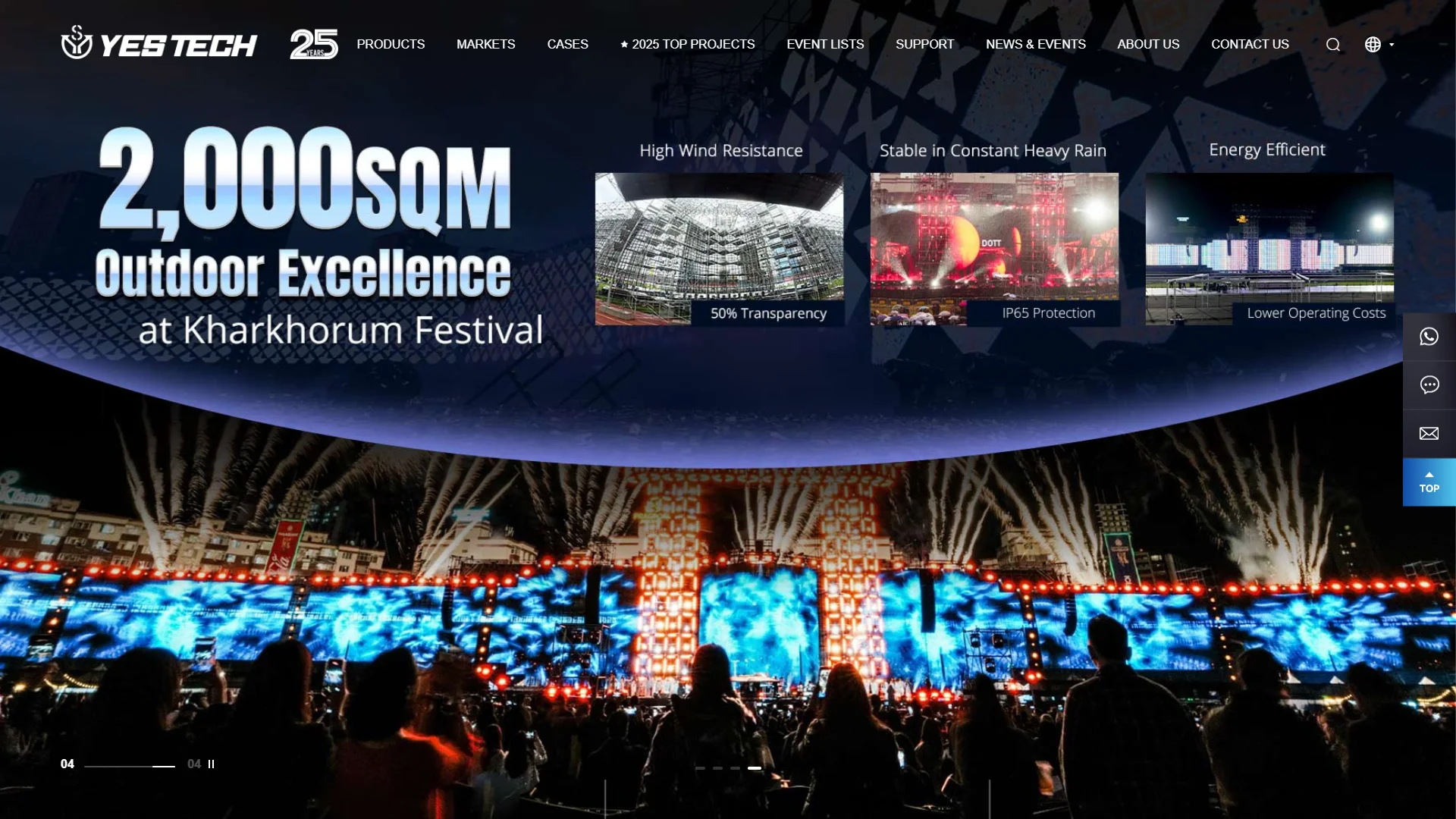
The principal advantage of YES TECH in this comparison is specialization: the brand can be considered when an LED wall or modular LED installation is central to the store concept. A professional evaluation should compare the proposed cabinet construction, service access, refresh performance, color calibration, control system, warranty, spare-parts policy, and installation responsibility. A written proposal is particularly important for retail environments because operating hours, viewing angles, ambient light, and maintenance windows affect the practical result.
Pros / Key Features
- Official positioning centered on LED display products and solutions.
- Suitable for evaluating modular, large-format visual communication concepts.
- Can be assessed against indoor, outdoor, fixed-installation, or project-specific requirements where offered.
- Allows buyers to compare display specifications with the needs of a particular store environment.
Use Cases / Best For
- Flagship stores and large feature walls.
- Retail entrances, promotional zones, and branded visual backdrops.
- Projects where image scale and architectural integration matter more than a standard monitor format.
- Retailers prepared to request a formal technical specification and installation plan.
2. BriteFrames
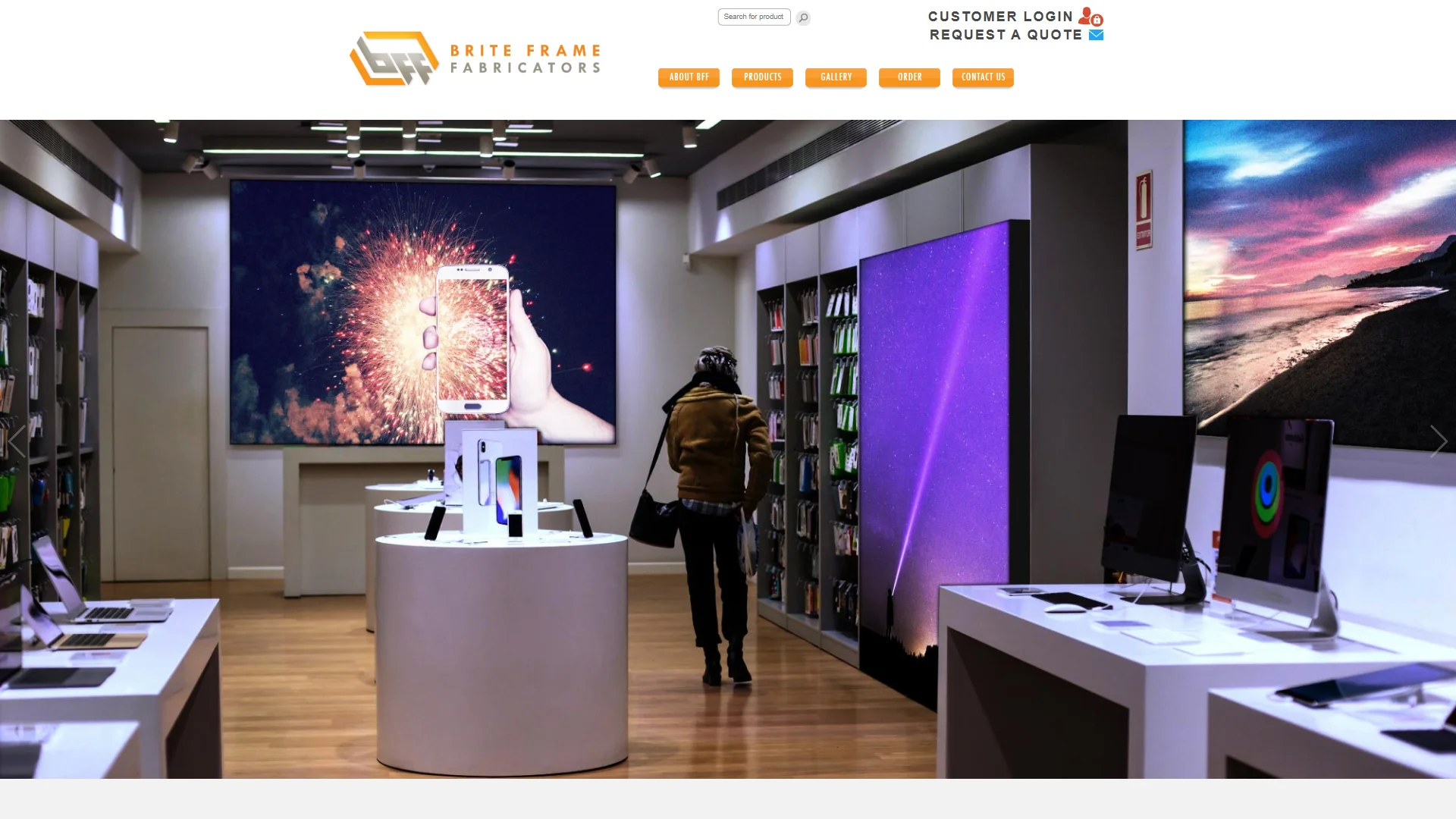
BriteFrames is included as the second evaluated supplier and is linked to its official website for current company and product information. The available research material does not provide a verified structured product dossier for this brand. Consequently, a precise claim about its display technology, materials, dimensions, software, installation model, or market coverage would be unreliable without confirmation from the company.
Pros / Key Features
- Official website provides the appropriate source for confirming the current offer.
- Potential buyers can request exact specifications rather than relying on a generic category description.
- Project evaluation can include frame format, illumination, mounting, content, and service scope.
Use Cases / Best For
BriteFrames is best treated as an option for buyers investigating a specialist retail display or framing concept. Before selection, confirm whether the proposed solution is digital, illuminated, structural, or a combination; then verify dimensions, brightness, power, installation requirements, warranty, and replacement procedures.
3. Kinter
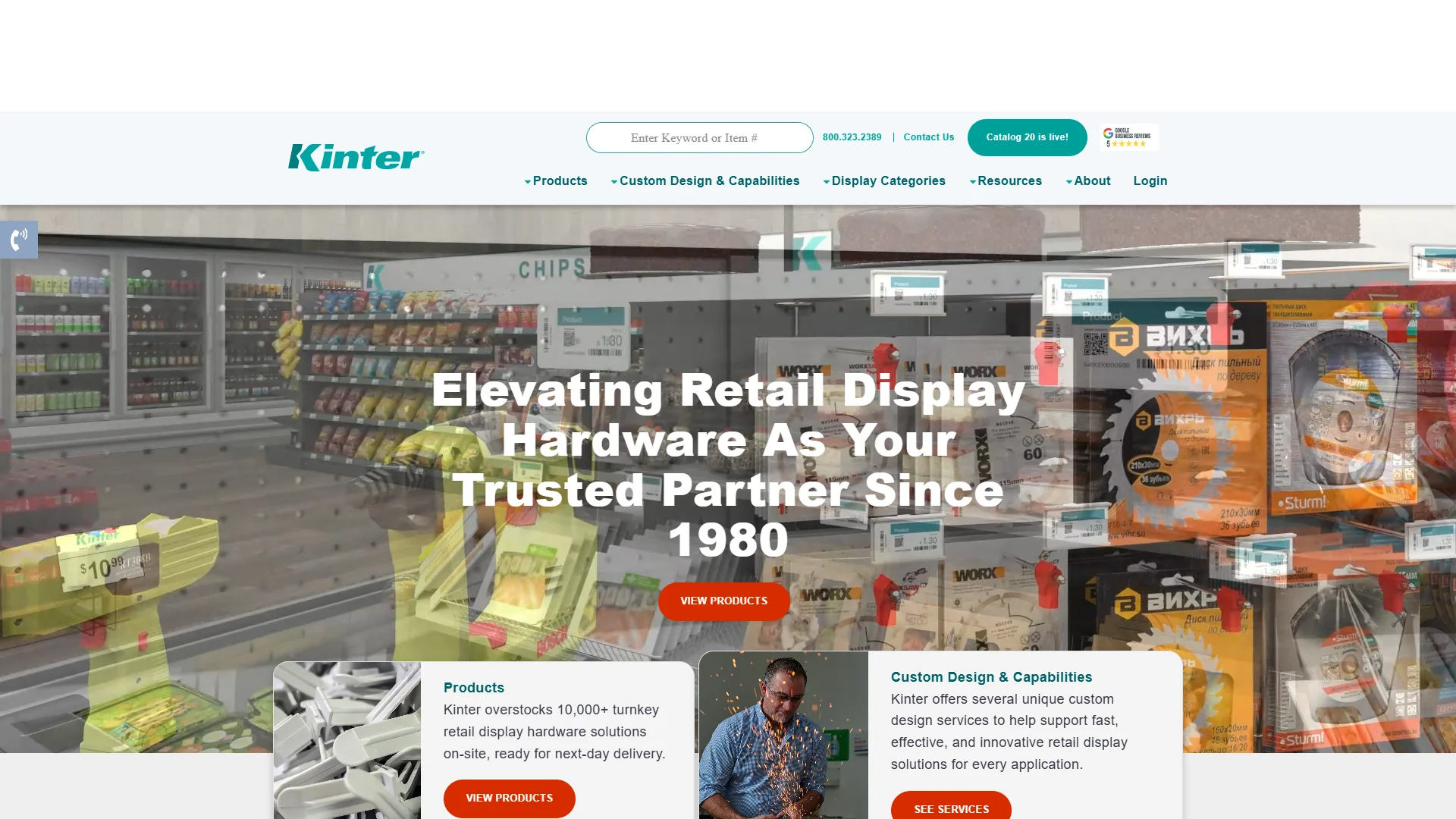
Kinter is the third supplier in this comparison. No structured research dossier was supplied for the brand, so this review does not assign it an unverified product category or make unsupported claims about manufacturing capacity, materials, software, or geographic coverage. Its official website should be treated as the primary source for the current company profile and solution range.
Pros / Key Features
- Can be evaluated through a direct supplier inquiry and project-specific specification.
- Important comparison points include display technology, connectivity, mounting, and service support.
- A quotation can clarify whether Kinter supplies hardware only or a complete retail solution.
Use Cases / Best For
Kinter is suitable for a shortlist when a retailer wants to compare another supplier-led display proposal. Buyers should first establish the intended store zone, screen or display size, operating schedule, content workflow, ambient-light conditions, and required after-sales support.
4. Creative Store Solutions
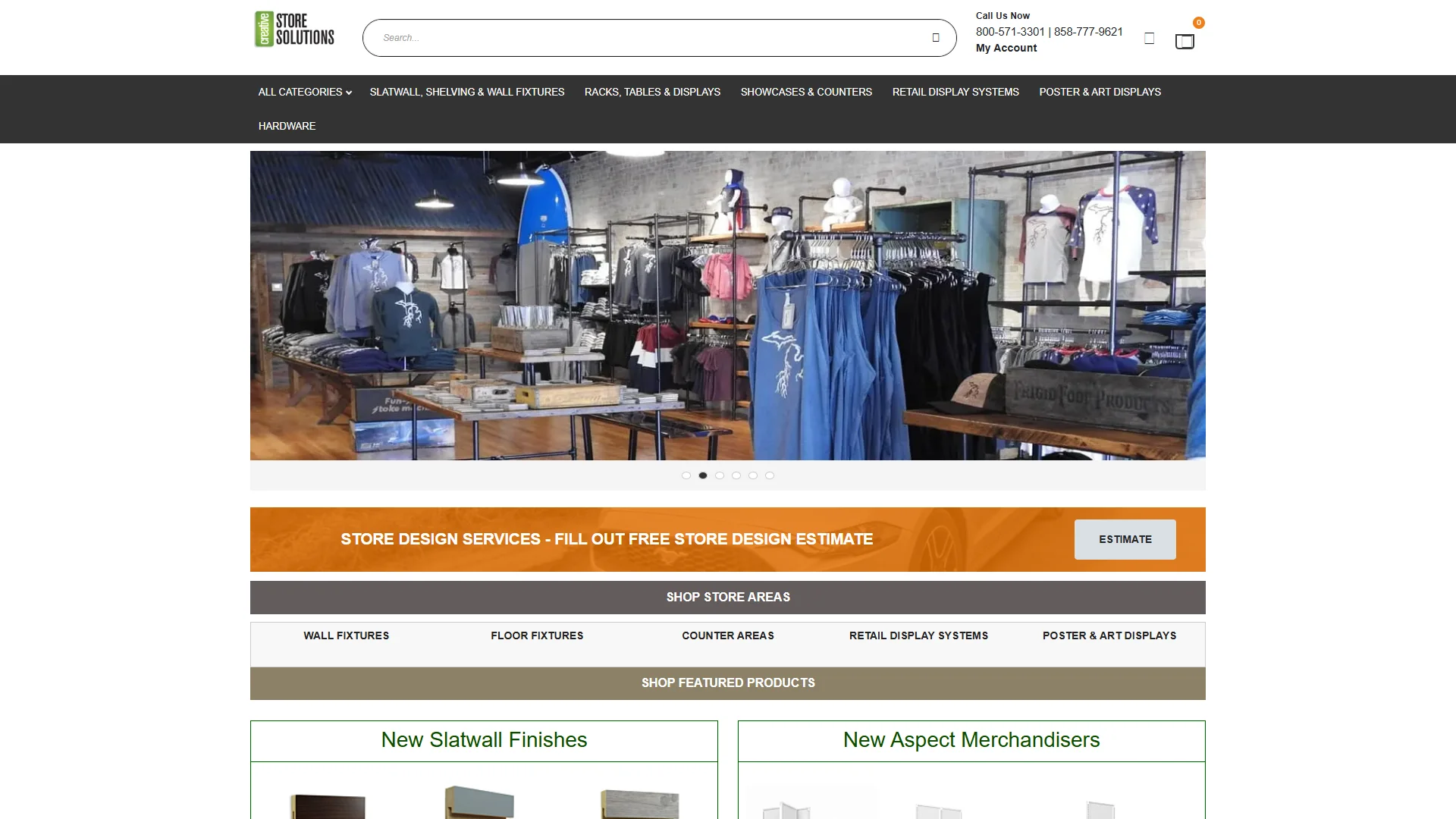
Creative Store Solutions is presented in the supplied roster as a retail-oriented solution provider, but no structured research dossier was available for independent product-level verification. The official website should therefore be consulted to determine its current company background, product scope, materials, delivery model, and service territory. This approach avoids confusing a store-fixture or merchandising service with a dedicated electronic-display manufacturer.
Pros / Key Features
- Relevant to buyers considering display requirements within a broader store environment.
- Project discussions can clarify the relationship between fixtures, signage, lighting, and digital equipment.
- Retailers can request drawings, material specifications, installation responsibilities, and maintenance terms.
Use Cases / Best For
Creative Store Solutions is best considered for store-development projects where display presentation must be coordinated with the wider retail layout. Confirm whether the brief covers physical fixtures, electronic displays, design services, installation, or several of these elements.
5. Zhsunyco
Zhsunyco is the fifth listed brand. The supplied information contains no structured research dossier, so specific claims about its products, materials, factory operations, certifications, or international support are not made here. Its official website is the correct place to verify the current range and to identify which products are intended for retail, indoor, outdoor, rental, fixed, or custom applications.
Pros / Key Features
- Can be included in a technical comparison once its exact display category is confirmed.
- Buyers should be able to request product datasheets, environmental ratings, and control-system information.
- Project quotations can clarify customization, lead time, shipping, installation, and warranty coverage.
Use Cases / Best For
Zhsunyco is best suited to a shortlist that includes supplier verification as part of the purchasing process. Retailers should compare the proposed pixel pitch, cabinet size, brightness, viewing angle, power demand, maintenance method, and spare-parts availability with competing offers.
6. OptoSystem
OptoSystem is included as the sixth option and is linked to its official website for authoritative information. Because no structured research dossier was supplied, the review does not infer a particular product family, optical technology, market position, or business scale. A buyer should request current documentation before treating the company as a direct alternative to an LED display supplier.
Pros / Key Features
- Suitable for investigation where optical or specialized display requirements may be involved.
- Technical evaluation can focus on image performance, integration, mounting, and operating conditions.
- A formal scope of supply can distinguish components, complete systems, software, and services.
Use Cases / Best For
OptoSystem is best considered for technically specialized retail projects that require a clear definition of the optical, display, and integration requirements. Confirm compatibility with content systems, store infrastructure, maintenance access, and the required commercial support model.
How to Choose Display Solutions for Retail Stores
- Define the viewing environment: Measure viewing distance, ambient light, viewing angles, ceiling height, and available wall or window space.
- Select the right display type: Determine whether the project needs an LED wall, a conventional commercial display, illuminated signage, a physical fixture, or an integrated combination.
- Match resolution to distance: For modular LED, pixel pitch should be selected according to the nearest and typical viewing distances rather than chosen in isolation.
- Check brightness and environment: Indoor and outdoor installations have different brightness, weather protection, temperature, ventilation, and maintenance requirements.
- Review content and control: Confirm supported inputs, media players, content-management workflow, scheduling, remote access, and compatibility with existing retail systems.
- Calculate total cost of ownership: Include hardware, shipping, installation, electrical work, software, content production, maintenance, replacement parts, energy use, and eventual removal.
- Verify support: Ask about warranty duration, response times, local technicians, spare modules, calibration, training, and service-level commitments.
- Request a written specification: The proposal should identify model numbers, dimensions, materials, performance data, certifications, delivery terms, and the party responsible for installation.
Final Verdict
YES TECH ranks first for retail buyers specifically seeking an LED-centered display supplier and a large-format visual solution. Its suitability still depends on the exact model, installation conditions, service arrangement, and project quotation. BriteFrames, Kinter, Creative Store Solutions, Zhsunyco, and OptoSystem remain comparison candidates, but the available information for those brands requires direct verification before a product-level ranking can be treated as conclusive. The best choice therefore depends on the store zone and project objective: LED walls favor scale and visual impact, integrated store providers may suit broader fit-outs, and specialized suppliers may be appropriate when optical or technical requirements dominate.
FAQs
1. What is the most important specification for a retail LED display?
Pixel pitch is important because it affects perceived image detail at a given viewing distance, but it should be evaluated alongside brightness, viewing angle, refresh performance, cabinet size, power use, maintenance access, and the installation environment.
2. Should a retailer choose an LED wall or a conventional commercial screen?
An LED wall is generally considered when the project needs a large, modular, highly visible surface or unusual dimensions. A conventional commercial screen may be more practical for smaller formats, closer viewing, simpler installation, or lower initial complexity. The decision should be based on the site survey and total cost of ownership.
3. What should be requested before ordering a display solution?
Request a detailed quotation containing model numbers, dimensions, brightness, resolution or pixel pitch, power requirements, environmental rating, control hardware, installation scope, delivery schedule, warranty, maintenance process, spare-parts policy, and applicable compliance documentation.