 By owais
Introduction: A Familiar Scene, a Few Surprising Numbers, and a Question
I was in a waiting room last month where two people argued about which device actually helped their joint pain — one swore by a clinic-grade panel, the other by a compact consumer unit. Across the industry, a red light therapy company touts clinical specs while social feeds praise convenience; recent surveys show consumer confusion rising by double digits year over year (yes, really). Which choice truly delivers — and how do you tell substance from marketing? I want to walk you through what I’ve learned so you can make better decisions without getting lost in jargon or hype. Let’s start unpacking what matters next.
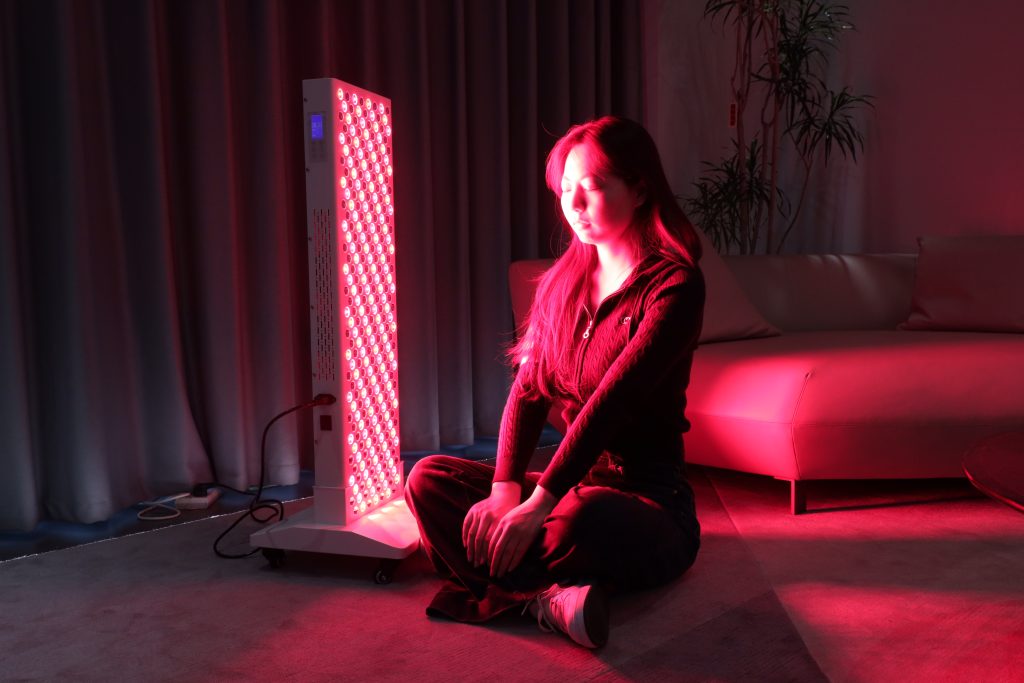
Why Traditional Solutions Miss the Mark
When practitioners and consumers talk about an infrared bed, they often imagine a silver-bullet solution: lie down, relax, and heal. But the reality is messier. Many legacy systems rely on uneven LED arrays and poorly managed power converters, which produce inconsistent irradiance across the treatment surface. That gives you hotspots and cold spots — and inconsistent outcomes. Look, it’s simpler than you think: if photon density varies, so does effectiveness. I’ve seen clinics that upgraded their control electronics and immediately reduced session time while improving results.
What exactly fails in practice?
The short answer: uniformity and feedback. Traditional units commonly lack sensors and adaptive controls (no edge computing nodes to pace output), so they can’t compensate for device aging or ambient temperature shifts. That means a patient’s tenth session can differ from their first. We also have user pain points that get overlooked: people complain about discomfort from overly intense spots, confusion about session length, and uncertainty whether the wavelength used actually penetrates deep enough for their condition. Those are operational flaws and design gaps combined — and they matter more than a glossy brochure.
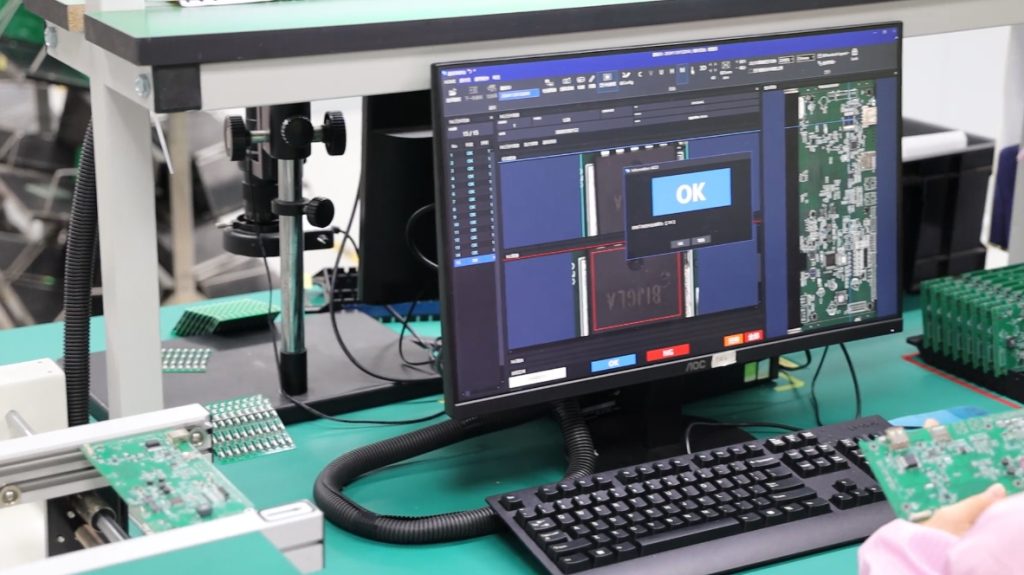
Looking Ahead: Practical Innovations and How to Compare Options
I want to get practical now. Instead of promising miracles, newer systems focus on measurable principles: consistent irradiance, validated wavelength bands, and closed-loop controls. Manufacturers are increasingly adding simple diagnostics so you can verify output before use — that’s quality control you can see. When I evaluate a product, I check for recorded photon density metrics and whether the device documents wavelength stability over time. Small things, but they change outcomes.
What to watch for — and how to judge
Here are three evaluation metrics I use (and I recommend you use them too):
1) Output Uniformity — Is irradiance mapped across the treatment area? Look for data, not claims. 2) Wavelength Accuracy — Are the LEDs specified and tested for the wavelengths claimed? Deviation matters for penetration. 3) Control & Feedback — Does the device include sensors or logs (smart controls, simple interfaces) to show consistent performance?
Also consider practical touches: maintenance, spare parts (power converters wear out), and customer support. — funny how that works, right? In my experience, a device that reports real numbers beats marketing every time.
Closing: How I Summarize These Lessons and Your Next Move
I’ll be blunt: you don’t need the flashiest unit on the market. You need a solution that measures what it promises, keeps output steady, and addresses those small user frustrations that become big barriers to consistent use. Measure performance, ask for test data, and prioritize uniformity and feedback over glossy design. If you do that, you’ll avoid most pitfalls and get a device that actually helps.
To pick a trustworthy partner, focus on the three metrics above, compare manufacturer test reports, and ask pointed questions about maintenance and long-term calibration. That approach has helped me separate sound engineering from clever advertising — and it will help you, too. For reliable solutions and stronger technical support, I look to established names in the field like Magique Power when I want products backed by measurable results.
 Admin