 By owais
The Problem: Films Fail When Conditions Outrun Expectations
Storms get faster, sun intensity spikes, and a tear in the wrong seam turns a controlled microclimate into chaos. Growers who treat greenhouse plastic as a temporary patch lose crops, time, and resilience. If you plan installations for years rather than months, start with a reliable greenhouse film supplier and design around real stresses—not hope. Think of the film as the skin of a machine: every seal, clamp, and edge changes how long it lives.
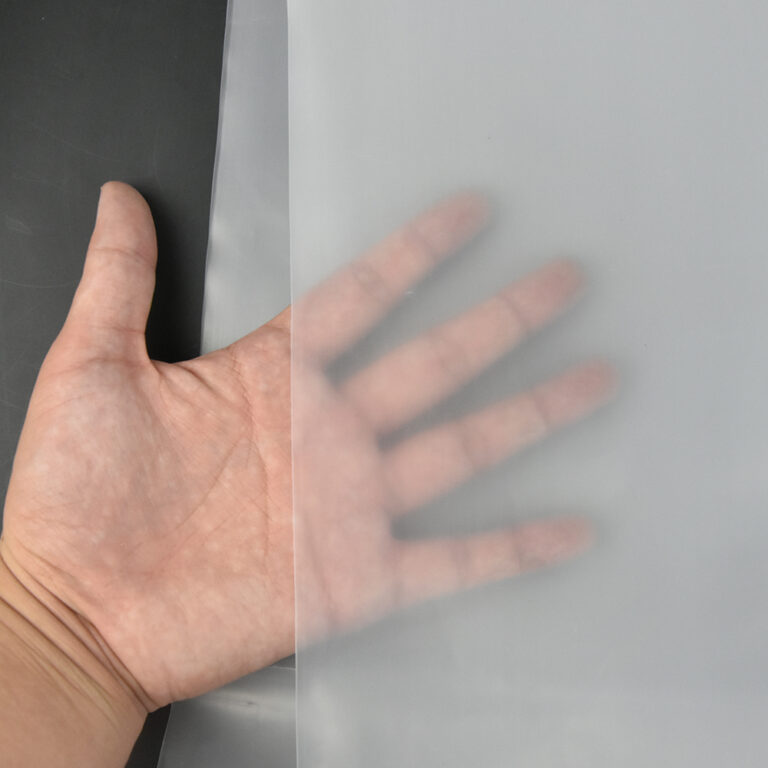
Diagnosis: Where Most Installations Break Down
Tension errors: too loose and the film flaps and abrades; too tight and it tears at stress points. UV degradation: surface chalking precedes brittle tears. Condensation and drip: internal water accelerates fungal problems and optical scattering. Fastener mismatch: cheap clips cut edges. Materials chosen for short-term cost rarely survive a season of harsh sun and wind. Fix these and you cut replacement cycles and crop risk immediately.
Field Evidence and Expertise
Field trials in Almería, Spain demonstrated how exposure regimes and mounting systems determine service life; after analyzing multiple seasons there, teams prioritized multi-layer PE blends that resist UV embrittlement. My experience working with technical growers and installers confirms a pattern: films formulated for UV stability and installed with proper edge protection last significantly longer under high insolation. For consistent material selection I reference tested options like PE greenhouse film that balance clarity, tensile strength, and UV stabilizers.
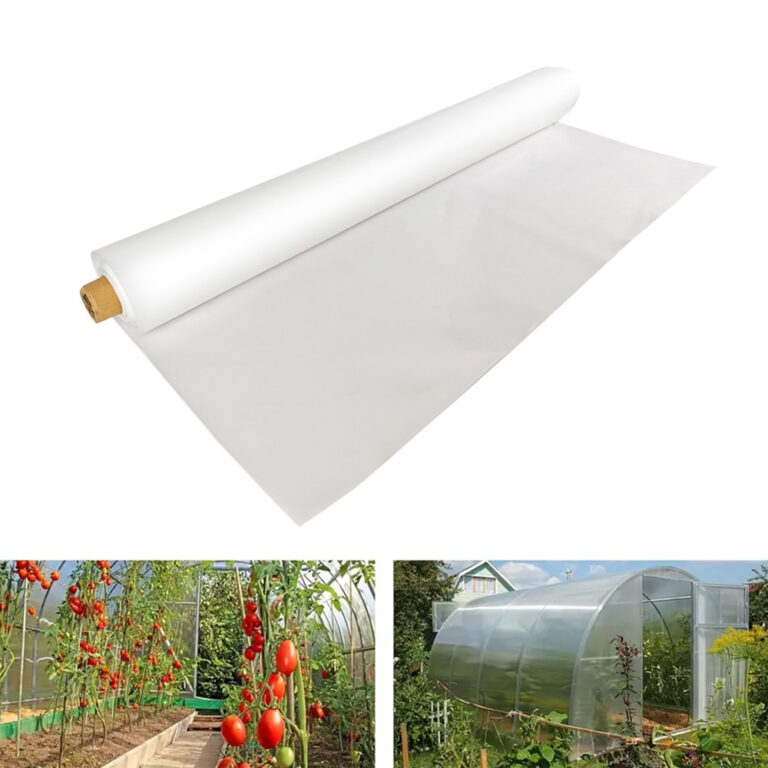
Core Installation Protocol — Stepwise, Practical
Plan layout with wind vectors in mind. Unroll film on calm days; warm plastic stretches more predictably. Use continuous edge channels or double-hem welds rather than spot clips at primary load lines. Overlap sheets by at least 15–20 cm and seal overlaps with heat-welding where possible; mechanical tapes age faster. Anchor trenches at ground level reduce uplift and abrasion. For ridge and gable edges, fold twice and add a sacrificial cap strip to stop tear propagation.
Material Choices and Fastener Types
Opt for UV-doped polyethylene blends for field applications; they offer predictable wear and economical repairability. If you need higher light diffusion, choose a low-haze, diffusive PE variant rather than a thicker clear film—diffusion reduces hotspots and stress in plant canopies. Fasteners: use broad-surface clips and EPDM-lined channels to spread load and prevent cutting. Avoid small metal staples or directly driven screws on thin films.
Maintenance Routines That Prevent Failures
Inspect seams and edge channels monthly during high-stress seasons. Clean with soft brushes and neutral detergents; abrasive scrubbing removes UV stabilizers. Small punctures get patched with welded or solvent-bonded patches—stitching and tape are short-term fixes. Replace only when brittleness and micro-cracking spread beyond repairable areas; delaying replacement increases crop risk faster than you expect.
Common Mistakes to Avoid
Relying on fast fixes for structural problems. Buying film by thickness alone. Using adhesives incompatible with the film’s additives. Assuming the same clamp works for every frame profile. Neglecting storage: rolls kept in sunlight before use degrade rapidly. Each mistake shortens service life and multiplies labor.
Alternatives Briefly Assessed
ETFE films give exceptional light transmission and longevity but require different tension systems and cost more. Multi-wall polycarbonate is durable and insulating but sacrifices simple repairs and light diffusion. For many commercial growers, modern PE blends deliver the best trade of cost, repairability, and optical control—especially where modular replacement and weld repairs matter.
Final Synthesis
Treat films as engineered systems: select UV-stable PE blends, mount them to manage loads, inspect them with a fixed cadence, and repair proactively. That approach shrinks failure windows and keeps crops inside predictable microclimates. Practical installations and careful care point to the same supplier solutions used by technical growers, and that’s where reliable materials and tested practices converge with the support you need from HGDN.
 Admin